
Are you concerned about a skin cancer diagnosis?

It’s completely painless
Electronic brachytherapy is a simple, pain-free alternative to surgery, which can be performed conveniently in your dermatologist’s office.

There’s no bleeding, no scarring and no long recovery
As a non-invasive alternative to surgery, electronic brachytherapy leaves no scar–and you can return to your normal activities immediately.

It offers excellent results
Electronic brachytherapy targets skin cancer and protects surrounding healthy skin to achieve excellent cosmetic results.

Squamous cell carcinoma on the right ear

Basal cell carcinoma on the right upper eyelid

Basal cell carcinoma on the right upper eyelid
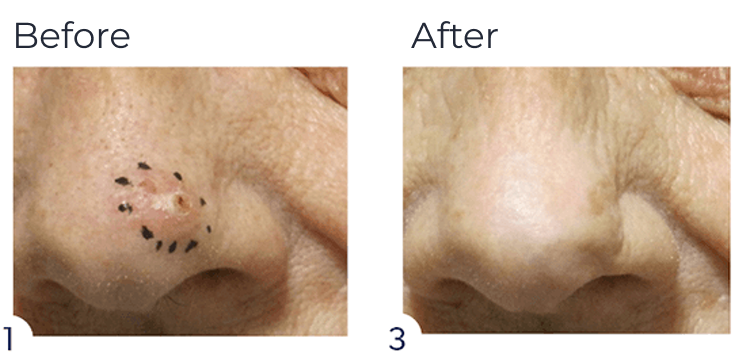
Squamous cell carcinoma on the left cheek


When you enter the treatment room, you will be made comfortable in the treatment chair.

The radiation therapist will place the treatment applicator directly onto the skin cancer lesion.

Electronic brachytherapy targets low energy radiation precisely to the cancer, while protecting your healthy skin.

Each painless treatment is over in minutes and you can return immediately to your normal activities.